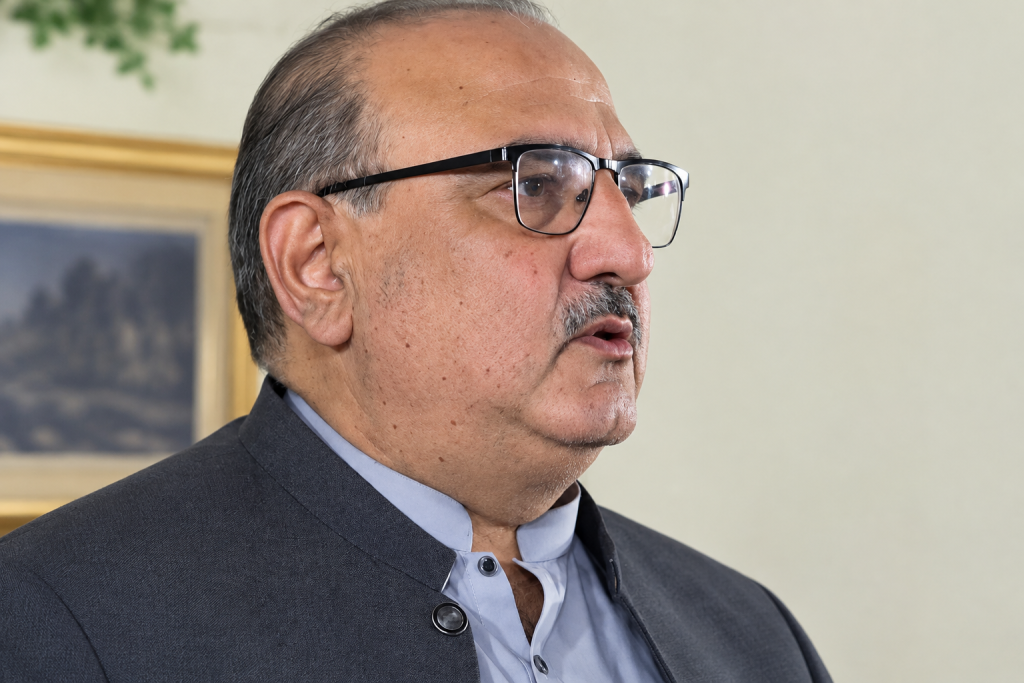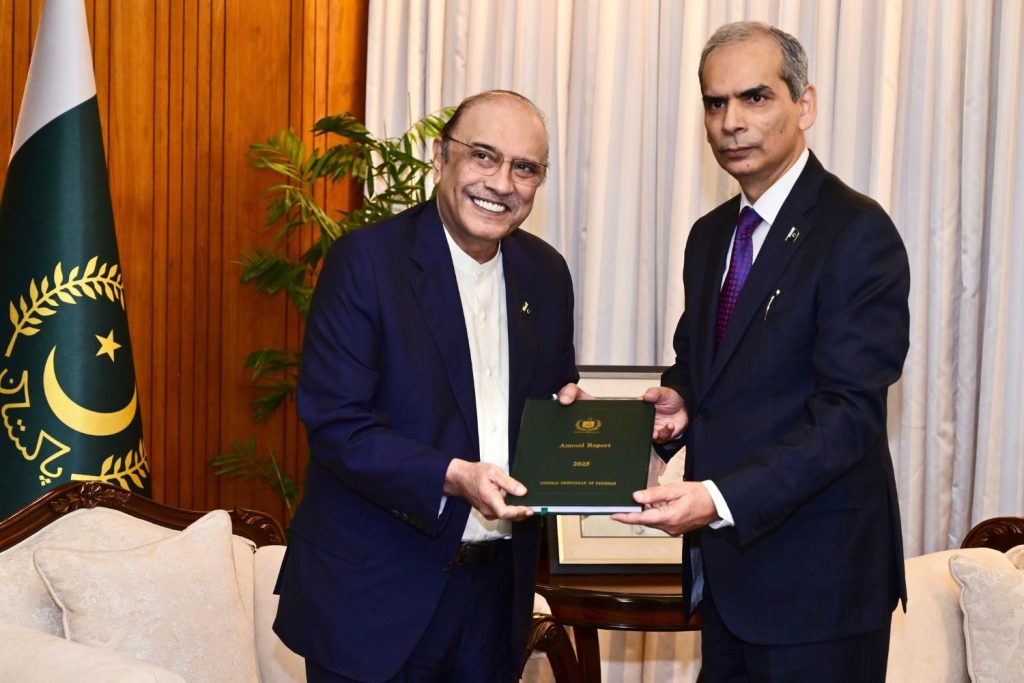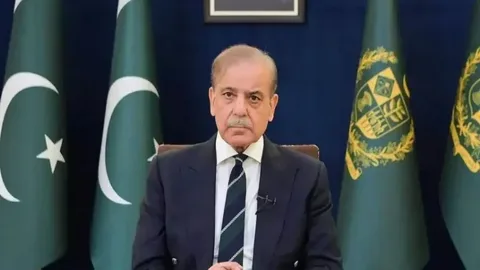
Prime Minister Shehbaz Sharif on Friday called on Yemen’s Houthi militia to “immediately cease these attacks” on Saudi Arabia. He condemned the “repeated terrorist attacks” against the kingdom, including the targeting of airports in Riyadh and Abha.
The Shehbaz Sharif Saudi Arabia statement comes at a tense moment for the Gulf. It also follows a new defence arrangement involving Pakistan, Saudi Arabia and Türkiye. Here is what was said, the context, and what may come next.
Background: Rising Houthi Attacks and a New Defence Pact
The Houthi attacks on Saudi Arabia have grown in recent months. The Houthi group announced a maritime ban on Saudi shipping in July and has since struck Saudi tankers and oil facilities. The Saudi-led coalition also said the group attacked a power station in Medina that supplies electricity to the Prophet’s Mosque.Fighting inside Yemen has intensified too. Houthi fighters and Saudi-backed Yemeni government forces have been fighting for more than two weeks over Yemen’s Red Sea coastal areas near the Bab al-Mandab Strait. The conflict is no longer limited to one front.
The Mecca Defence Pact
Pakistan Saudi Arabia relations have a new legal framework. Pakistan, Saudi Arabia and Türkiye signed the Mecca Joint Defence Agreement in August, under which an armed attack on one member is treated as an attack on all. The deal was signed on August 7, shortly before the Houthis launched their offensive in Yemen.
The three countries invoked the pact on Monday for the first time since it was signed. That step shaped how Islamabad responded this week.Details: What Shehbaz Said
Sharif condemned the targeting of King Khalid International Airport in Riyadh and Abha International Airport, which caused deaths and injuries among civilians. He also praised the Saudi armed forces and the coalition for intercepting several ballistic missiles. His remarks came a day after a fresh wave of missile attacks by the Iran-aligned Houthis.
Pakistan condemns Houthi attacks in strong terms, but the statement also stressed Saudi Arabia’s right to defend itself. Sharif said Pakistan fully supports Saudi Arabia’s right to protect its people, cities and vital infrastructure. He said Pakistan would continue to stand with the kingdom.
Saudi Response
The coalition has already hit back. It said it struck more than 80 Houthi military sites across Saada, Hodeidah, Jawf and Marib, and warned the attacks would “not go unpunished.” Independent verification of the strike claims was not available in the reports reviewed.
What the Defence Pact Means on the Ground
The three countries agreed to ensure the “rapid deployment” of agreed forces and capabilities in Saudi Arabia, under approved arrangements and national laws. Pakistan has said it will not release deployment details, though Defence Minister Khawaja Asif said Pakistan and Türkiye were already helping Riyadh in a “supporting role,” including reconnaissance.
Quotes and Official Statements
Sharif’s wording was direct. He wrote that the Houthi militia must immediately cease these attacks. He also described Pakistan as standing in unwavering solidarity with its “brotherly” kingdom.
Saudi officials framed the October 5 meeting as a show of unity. The Saudi defence minister said it reaffirmed the countries’ solidarity in confronting attacks on the kingdom and the holy sites. US Secretary of State Marco Rubio also backed Saudi Arabia’s right to respond.
Impact: Regional and Global Consequences
For the Gulf, the main risk is escalation. A direct role for Pakistani and Turkish forces could change the balance of the conflict, which is why analysts are watching closely. Foreign Policy wrote that even the threat of joint involvement could dramatically shift the Saudi-Houthi conflict.
For Pakistan, the stakes are both strategic and domestic. Saudi Arabia is a major partner and a home to a large Pakistani workforce. At the same time, Islamabad is dealing with security pressure on its own western border, so any foreign commitment must be balanced carefully.
Energy and Shipping
Attacks on tankers and oil facilities affect more than the region. Past incidents have shown how quickly Gulf security events can affect energy markets. In 2019, Houthi drone attacks on Saudi Aramco facilities temporarily disrupted more than half of Saudi crude production.
Conclusion: What to Expect Next
More statements and consultations are likely under the Mecca pact. Pakistan will probably keep its deployment details private, while public messaging stays focused on solidarity and defence. The next key signal will be whether the Houthis scale back or escalate.
A political track will matter too. Calls to stop attacks may grow louder, but they have limited effect without talks. For now, the situation remains fluid, and readers should rely on official updates.
Frequently Asked Questions (FAQs)
Is the Pakistan Army going to Saudi Arabia?
Pakistan has agreed to a “rapid deployment” of forces to Saudi Arabia, but few details are public. The decision was taken at an emergency meeting in Riyadh and will be carried out under approved arrangements and each country’s national laws. Pakistan has said it will not release details of the deployment, and Khawaja Asif described the current help as a supporting role, including reconnaissance. Pakistan has stationed troops in Saudi Arabia before, including during the 1991 Gulf War, so the move fits a long pattern. Readers should wait for official statements on numbers and roles. Why are Houthis attacking Saudi Arabia?
The Houthis are an Iran-aligned armed group that controls parts of Yemen. Riyadh supports Yemen’s internationally recognised government against them. The two sides have been in conflict for years, and the fighting escalated again this year. The Houthis announced a maritime ban on Saudi shipping in July and have struck Saudi tankers and oil facilities. The reports reviewed do not give a detailed Houthi explanation for the latest attacks, so analysts cite the war in Yemen, regional rivalry and Red Sea control as the main drivers.
Is Shehbaz Sharif a Shia?
No. Shehbaz Sharif is widely known as a Sunni Muslim, and nothing in the reporting on this story suggests otherwise. His statement on Saudi Arabia reflects Pakistan’s state policy and its defence ties with the kingdom, not a sectarian position. Attempts to read this issue through a Sunni-Shia lens are not supported by the facts, and they can fuel tension, so it is best to rely on official positions and verified reporting.
What is the Mecca Joint Defence Agreement?
It is a defence pact signed in August by Pakistan, Saudi Arabia and Türkiye, under which an armed attack on one member is considered an attack on all. The announcement gave no specifics on each country’s military commitments. The pact was first invoked on October 5 in response to Houthi strikes on Saudi infrastructure. Its exact scope will become clearer as the three countries release more details.